From Grimy to Gorgeous: How to Remove Stains from Your Couch Without Stress
Your couch isn’t just furniture—it’s where life happens. From movie marathons to afternoon naps and messy snack sessions, it takes the brunt of everyday chaos.
But the good news? You don’t need professional help to clean your couch stains.
With the right techniques and a little patience, you can restore its original charm. In this guide, we’ll walk you through exactly how to remove stains from a couch, no matter what life throws at it.
Each method is clear, image-rich, and designed to leave your upholstery looking and smelling incredible again.
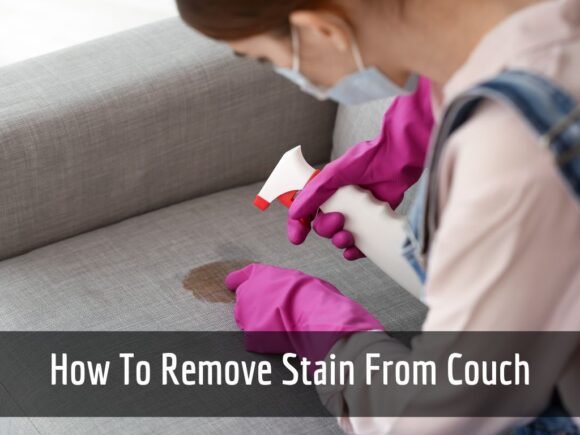
How to Remove Coffee Stains from a Fabric Couch
Spilled your morning brew? Coffee leaves a soft brown halo on fabric that soaks in fast. Start by blotting the spot gently with a white towel to lift any excess.
Then mix a solution of white vinegar, warm water, and a drop of dish soap. Use a soft sponge to dab and lift the stain in circular motions.
The rich, warm coffee tones fade, revealing the couch’s woven texture and its original soft taupe or gray hue. The air smells faintly crisp and clean again, with no lingering bitterness from the spill.
Lifting Grease Stains from a Microfiber Sofa
Grease stains leave behind a dull, darkened patch that seems to sink into the microfiber.
Sprinkle baking soda generously over the spot and let it sit for at least 15 minutes to absorb the oil. Next, use a damp cloth dipped in rubbing alcohol and blot gently.
As the fabric dries, you’ll notice the slick shine replaced by a uniform, matte surface. The couch regains its smooth, brushed finish—cool-toned, velvety, and clean to the touch.
How to Remove Ink Stains from a Couch Armrest
An exploded pen or stray marker leaves a sharp blue or black splotch that grabs attention right away.
Lightly dampen a cotton ball with rubbing alcohol and press it onto the stain, rotating it to avoid spreading. The ink lifts gradually, transferring to the cotton.
After a few rounds, your couch fabric reveals its subtle grain, with the deep ink mark now replaced by the couch’s original neutral tone—soft, even, and understated.
Cleaning Red Wine Stains from a Light-Colored Couch
Red wine creates a vivid plum-colored stain that spreads like watercolor on fabric. Blot with a clean cloth to absorb as much as possible, then mix hydrogen peroxide with dish soap.
The fizzing solution works into the fibers, breaking up the deep red tones into pink, then nothing. Once dry, the area looks refreshed—no sharp contrast or discoloration, just a seamless blend with the surrounding ivory or beige upholstery.
Treating Pet Urine Stains on a Couch
Pet accidents leave behind a yellowish stain and a strong, musty smell that seeps into both fabric and padding.
Use an enzyme-based pet cleaner designed to break down organic matter and odors. Spray generously, let it sit, then blot dry.
Once cleaned, the couch feels fresh again, the stain fades to the background, and your living room no longer carries that sour, damp scent—only a neutral, clean fragrance and an inviting atmosphere.
Removing Chocolate Stains from a Couch Cushion
Chocolate leaves behind a rich, dark smear that quickly turns into a sticky mess.
Scrape off any solid bits gently, then apply a solution of cold water and dish soap with a microfiber cloth. Work it slowly into the stain without oversaturating.
As the area dries, the once-rich brown fades into the soft linen weave, restoring a light beige or gray tone that looks untouched and clean.
Cleaning Makeup Smudges from Velvet Upholstery
Makeup, like foundation or lipstick, leaves a creamy or reddish residue with a slight shimmer.
Velvet can be tricky, but blotting the stain with a mix of dish soap and cool water using a soft sponge helps lift the pigment without crushing the fibers.
Once dry, brush the velvet gently to restore its lush nap, revealing a plush, shadowed finish that catches the light beautifully, free of stains or color streaks.
How to Remove Blood Stains from a Couch Seam
Blood stains can dry fast, creating rust-colored spots especially around seams.
Use cold water and hydrogen peroxide on a cotton swab to treat only the affected area. The solution bubbles gently as it works, loosening the pigment.
After blotting, the area appears clean, with the surrounding stitched detailing and upholstery tone fully restored, blending evenly into the rest of the couch’s fabric palette.
Erasing Mud or Dirt Marks from Outdoor Patio Sofas
Outdoor couches often get dusty brown smudges and caked-on dirt from muddy shoes or garden mess.
Let the mud dry completely, then brush off the excess before cleaning with warm soapy water and a soft scrub brush. Rinse lightly and allow to dry in direct sunlight.
The textured canvas or woven synthetic fabric reappears fresh and renewed, with a slight sheen and no dark patches to distract from your patio setup.
Removing Candle Wax Stains from a Couch Arm
Dripped wax leaves a hard, shiny blob that bonds with fabric. Place a paper towel over the wax and gently heat it with an iron set to low.
The wax melts and soaks into the paper, lifting away. Any leftover residue can be blotted with rubbing alcohol.
Once clean, the armrest looks and feels like it did before—smooth, soft, and evenly colored, with no telltale shine or stiffness from the wax.
Getting Rid of Sauce or Food Stains from a Couch
Tomato sauce, ketchup, and oily dressings leave vivid orange or red spots with greasy edges. Start by scraping away any solid bits, then use a solution of water and dish soap to blot the stain. Rinse lightly with a damp cloth.
As it dries, the stain disappears, restoring the couch’s muted color scheme, whether it’s slate gray, warm camel, or crisp cream. The vibe returns to cozy and inviting, perfect for a mess-free meal or snack.
Tackling Water Stains on Leather Couches
Water stains on leather may seem minor but often dry into blotchy rings with a slightly darker tone. Wipe the area gently with a barely damp cloth to rehydrate the leather evenly.
Then use a leather conditioner to smooth and restore its finish. The area transforms into a rich, polished surface, with a soft glow that highlights the couch’s natural grain and color depth, be it saddle brown, deep espresso, or classic black.
How to Prevent Future Couch Stains
Now that your couch is spotless, protecting it should be your next move. Use a fabric protector spray or invest in washable slipcovers that match your room’s aesthetic.
A sleek ivory cover on a gray couch can brighten up the space while shielding it from spills.
Keep throws and pillows in high-use spots to minimize wear, and your entire seating area will maintain a fresh, magazine-worthy look for months to come.
Final Thoughts
Your couch tells a story—from family movie nights to lazy Sunday naps—and it deserves to look as good as it feels.
With these stain removal tips, you don’t need a professional or a pricey cleaner—just a few common ingredients and a little know-how.
Whether you’re dealing with coffee spills, pet messes, or muddy footprints, every method shared here is practical, gentle, and designed to bring your couch back to life.
Now, go ahead and sink into your spotless, fresh-smelling couch and enjoy the comfort of a clean, cozy space that’s truly yours.