How to Remove Stains from Mattress: The Ultimate Guide to a Fresh, Spotless Bed
If you’ve ever spilled coffee on your bed, dealt with a child’s nighttime accident, or just noticed mysterious yellow spots on your mattress, you’re not alone.
Stains on mattresses are a common nuisance in every American home—but they don’t have to stick around forever.
Learning how to remove stains from a mattress can save you time, money, and the hassle of replacing a perfectly good bed.
In this guide, you’ll find practical, clear, and visually rich cleaning methods that tackle every kind of mess—from fresh spills to set-in spots.
Let’s turn that stained mattress into a clean, fresh, and sleep-ready sanctuary again.
How to Remove Sweat Stains from Your Mattress
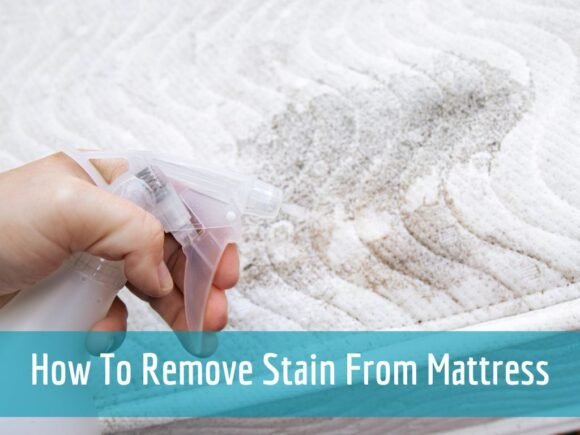
Sweat stains often appear as yellow patches that dull the brightness of your mattress fabric.
To remove them, mix hydrogen peroxide, baking soda, and a small amount of liquid dish soap. Use a spray bottle to gently mist the surface.
The mixture fizzes softly, lifting the stain while the baking soda absorbs odors. Let it sit for 30 minutes before blotting with a clean white cloth.
The result is a mattress that looks fresh, with its once dingy spots returning to a soft off-white tone that feels clean and dry to the touch.
How to Get Rid of Urine Stains on a Mattress
Urine stains can cause both discoloration and odor, leaving behind pale yellow blotches and a sour scent. Start by blotting up any excess liquid with a paper towel, then apply an enzymatic cleaner that breaks down organic material.
Let it soak for 10-15 minutes. Afterward, sprinkle a generous layer of baking soda to deodorize and lift the last bits of moisture.
After drying overnight, vacuum up the powder. The area will look visibly lighter, with a smooth matte finish, and smell neutral again, like clean cotton.
Cleaning Blood Stains from Your Mattress
Blood stains, especially when dried, can appear dark rust-colored and tough to remove.
Mix cold water with hydrogen peroxide and gently dab the stained area using a soft microfiber cloth.
Avoid rubbing—let the solution bubble over the fabric as it loosens the dried blood. Once lifted, pat dry with another clean towel.
Visually, the area should lighten significantly, with the once-stark stain fading into the neutral beige fabric of the mattress, regaining its calm, undisturbed look.
Removing Coffee Stains from a Mattress
Coffee stains leave a rich brown blotch that spreads quickly if not treated immediately. Dab the spill using a dry towel to absorb as much as possible, then use a mixture of white vinegar and water with a few drops of dish soap.
The solution cuts through the deep caramel tones of the stain, lifting it gently from the knitted or quilted surface of the mattress.
After a final rinse with a damp cloth and thorough drying, you’re left with a clean, balanced surface that smells faintly fresh with a crisp brightness.
How to Clean Wine Stains from Your Mattress
Wine stains—especially red wine—soak in fast, creating a deep burgundy splotch that clashes with your soft bedding. Blot the area gently and sprinkle salt over the stain, which begins to absorb the moisture.
Follow up with a mixture of hydrogen peroxide and dish soap. The bubbling action lifts the rich color, turning it into a rosy pink hue before disappearing.
Once dried, the fabric regains its soft cream shade and feels as if nothing was ever spilled there.
Getting Rid of Vomit Stains on a Mattress
Vomit stains come with tough smells and a medley of discoloration ranging from pale orange to tan. First, remove any solid material, then clean the area with an enzyme-based cleaner or vinegar solution.
Blot with clean towels and sprinkle baking soda to draw out remaining moisture and neutralize the odor.
After vacuuming, the area will appear clean with a cool ivory tone, and the unpleasant sourness in the air is replaced by a neutral, lightly sanitized scent.
How to Remove Mold Stains from a Mattress
Mold appears as green-gray blotches that can spread across the fabric and smell musty. Place the mattress in sunlight if possible to dry out the spores.
Then, scrub the area using a mix of isopropyl alcohol and water using a soft-bristled brush. The mold begins to fade, revealing the mattress’s original hue beneath.
Let it dry fully in a well-ventilated area, and it will look clean and slightly textured, with a refreshed, earthy scent rather than moldy air.
Lifting Makeup Stains from Your Mattress
Makeup like foundation and lipstick leaves behind creamy or reddish smears that feel oily and sit on the fabric like thick streaks.
Apply a mix of hydrogen peroxide and mild dish soap, then gently scrub using a white terry cloth.
The stain gradually fades, and the silky feel of the makeup residue disappears, replaced by a matte, even fabric texture that looks untouched and smells faintly soapy.
Erasing Ink Stains on a Mattress
Ink spills—like a popped pen or permanent marker—create sharp lines in vivid blue or black against the soft-colored mattress surface.
Use a cotton swab dipped in isopropyl alcohol and gently blot the area. The color begins to transfer from fabric to swab as you rotate it. This method lightens the stain without soaking the material.
Once done, the fabric shows only the lightest trace of the previous mark, blending into the pale gray weave of the surrounding area.
Removing Grease or Food Stains from a Mattress
Food stains—especially greasy ones—leave behind dark shiny patches that can be sticky or crumbly. Use a mix of baking soda and a few drops of lemon juice, which creates a bubbling paste.
Rub gently and let sit until dry. As you vacuum off the residue, the fabric lightens and returns to a soft beige tone with no slick texture left behind. The area looks crisp, fresh, and naturally clean again.
Treating Stubborn Yellowing from Age or General Use
Over time, mattresses can yellow due to oxidation, sweat, and dust—leaving behind a uniform but unappealing hue.
To brighten it, mist the entire surface lightly with a mix of hydrogen peroxide and water, then dust with a thin layer of baking soda.
Leave it to dry in sunlight for a few hours if possible. When complete, the mattress appears visibly brighter, with a warm white glow and a cleaner, more breathable feel that refreshes your whole bed.
How to Dry Your Mattress Properly After Cleaning
After any stain removal, it’s important to thoroughly dry the mattress to prevent mold and mildew. Use a hair dryer on a low setting, or place the mattress near a fan or in a room with lots of natural airflow.
Visually, you’ll notice the surface going from slightly damp and dark to a uniform, dry matte look, with no shine or cool dampness. It should feel warm, clean, and ready for fresh sheets.
Keeping Your Mattress Clean Going Forward
Once your mattress is stain-free, it’s smart to protect it going forward. Use a breathable, waterproof mattress cover that fits snugly and adds a soft layer between the sheets and your mattress.
These covers often have a white or pale gray tone, adding a clean, fresh visual while protecting from future spills. It also makes cleanup much easier and extends the lifespan of your mattress.
Final Thoughts
Your mattress is the heart of your bedroom, and a clean one helps you sleep better and feel more at ease.
From sweat and coffee stains to unexpected accidents, these methods give you the tools to tackle messes confidently.
Every method here is simple, effective, and easy to visualize—so you can clean smarter, not harder.
With just a few household ingredients and a little patience, your mattress can look and feel like new again—inviting, crisp, and truly restful.
Contents
- How to Remove Sweat Stains from Your Mattress
- How to Get Rid of Urine Stains on a Mattress
- Cleaning Blood Stains from Your Mattress
- Removing Coffee Stains from a Mattress
- How to Clean Wine Stains from Your Mattress
- Getting Rid of Vomit Stains on a Mattress
- How to Remove Mold Stains from a Mattress
- Lifting Makeup Stains from Your Mattress
- Erasing Ink Stains on a Mattress
- Removing Grease or Food Stains from a Mattress
- Treating Stubborn Yellowing from Age or General Use
- How to Dry Your Mattress Properly After Cleaning
- Keeping Your Mattress Clean Going Forward
- Final Thoughts