How to Remove Mold from Wood Without Ruining It
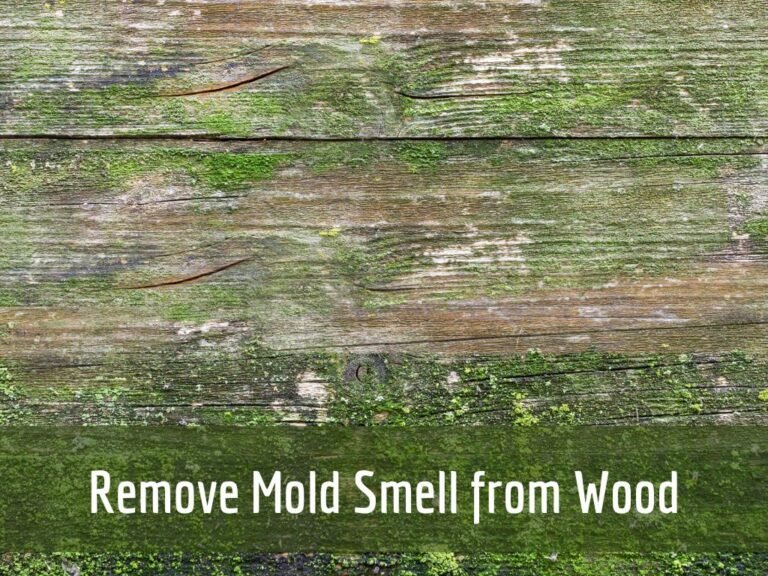
We’ve all been there. You walk past your favorite wood cabinet or that once-pristine deck and BAM 💥—there’s that ugly, dark patch. Mold. Gross, right?
But before you panic or start searching for expensive replacements, let me tell you this: removing mold from wood is totally doable—even kinda satisfying, IMO. Over the years, I’ve dealt with moldy wood furniture, cabinets, even my beloved back deck after a rainy season. So, I’m here to share the easiest, most effective ways to fix it without stressing out (or breaking the bank).
Let’s roll up our sleeves and dive into the good stuff. 🧼
What You Need to Know Before You Start
Before we jump into the “how-to”, let’s get one thing straight: mold on wood isn’t just a cosmetic issue. It can mess with your indoor air quality, damage the wood, and, honestly, just ruin the vibe of your space.
What Causes Mold on Wood?
- Humidity and moisture—think: bathrooms, basements, kitchens.
- Poor ventilation—stale air is mold’s bestie.
- Leaks or spills—especially if left untreated.
So, the real key here? Kill the mold and stop it from coming back.
How to Remove Mold from Wood (the General Way)
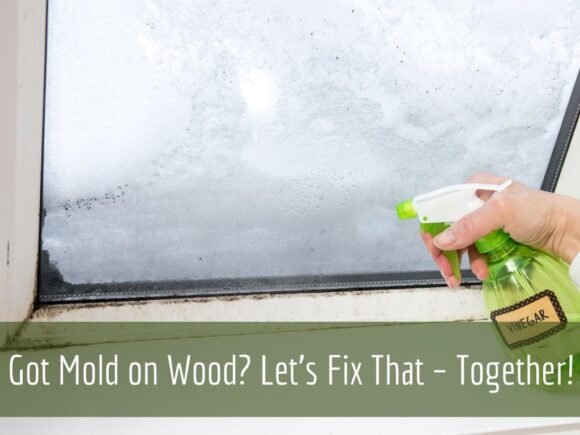
Let’s start with a basic, all-purpose method that works for most wooden surfaces. Whether it’s your wood floor, door, or even a window frame, this approach is solid.
What You’ll Need:
- Protective gloves and a mask (safety first!)
- Soft brush or sponge
- Spray bottle
- White vinegar or dish soap
- Water
- Baking soda (optional)
- Clean towel or rag
Step-by-Step:
- Ventilate the area – Open windows and doors. Mold spores don’t need to join your party.
- Vacuum or dry wipe the surface – This removes loose mold without spreading it.
- Mix your cleaning solution:
- For light mold: mix equal parts vinegar and water.
- For stubborn spots: straight white vinegar works wonders.
- Spray and scrub – Apply the solution and scrub gently with your brush.
- Rinse with a damp cloth – Don’t oversaturate the wood!
- Dry thoroughly – Mold loves moisture. Make sure the surface is dry.
👉 FYI: Don’t use bleach on wood. It doesn’t penetrate deeply enough and might discolor your furniture.
How to Remove Mold from Wood Furniture
Your wood table, chair, or dresser doesn’t have to be tossed. Here’s how I saved my vintage nightstand from moldy doom.
Extra TLC for Furniture:
- Avoid soaking the surface. Use a lightly damp cloth instead.
- Add a bit of baking soda to your vinegar solution for extra scrubbing power.
- After cleaning, let it dry in a sunny, airy spot if possible.
Pro Tip: After drying, polish with lemon oil or a wood conditioner to revive the shine.✨
How to Remove Mold from Wood Cabinets
Kitchens and bathrooms are mold magnets—especially inside cabinets where it’s dark and humid.
Targeted Cabinet Cleaning:
- Empty the cabinet completely.
- Use a vinegar + baking soda paste for corners or crevices.
- Let the solution sit for 10–15 mins before scrubbing.
- Dry with a fan or hairdryer set to cool.
Important: Check for any hidden leaks under the sink or behind the cabinet. Fix them pronto!
How to Remove Mold from a Wood Deck
Outdoor wood? Yep, mold shows up there too—especially after a rainy season or in shaded spots.
Here’s What You’ll Need:
- Deck cleaner (or vinegar solution if you’re keeping it natural)
- A stiff deck brush or broom
- Hose or pressure washer (be gentle—don’t blast the wood!)
- Protective gear
Steps to Rescue Your Deck:
- Sweep the deck to remove loose debris.
- Apply the cleaner and let it sit for 10–20 mins.
- Scrub thoroughly with your brush.
- Rinse with the hose (or pressure washer on low).
- Let it dry completely before sealing or staining.
Bonus Tip: Once cleaned, consider sealing your deck with a mold-resistant sealant to keep future problems at bay.
How to Remove Mold from Wood Floors
Floors are tricky—you don’t want to damage them, but you definitely don’t want to leave the mold either.
Safe Mold Removal for Floors:
- Sweep and vacuum the area first.
- Use a slightly damp cloth with vinegar, not a soaking wet mop.
- For stubborn spots, try a soft-bristled brush and baking soda.
- Dry the area quickly with a fan or dehumidifier.
Heads Up: If your wood floor is warped or the mold goes deep, you might need professional help.
How to Remove Mold from Wood Doors & Windows
Wooden doors and window frames get hit with condensation and rain all the time. And yep—mold follows.
Quick Fixes:
- Clean with a vinegar + water mix.
- Use a toothbrush for tight corners or grooves.
- Don’t forget to check the underside and edges of doors—they’re often overlooked.
- Dry and apply a wood protector for lasting defense.
How to Prevent Mold from Coming Back
Now that we’ve scrubbed, sprayed, and saved your wood, let’s keep that mold away—for good.
Simple Tips to Prevent Mold:
- Use a dehumidifier in damp areas.
- Keep wood surfaces clean and dry.
- Add ventilation (like fans or open windows) in bathrooms and kitchens.
- Fix leaks ASAP.
- Consider applying a mold-resistant finish on wood surfaces.
Final Thoughts: Let’s Keep Mold Out for Good
Mold on wood? Annoying. But with the right tools and a little know-how, you’ve totally got this. Whether it’s your cherished wooden dresser, the deck where you BBQ, or those cabinets you open daily, mold doesn’t have to win.
Just remember:
- Act fast—the longer mold sits, the worse it gets.
- Use gentle but effective cleaners like vinegar and baking soda.
- Dry everything thoroughly—moisture is mold’s BFF.
And hey, cleaning mold might not be fun, but there’s something super satisfying about restoring wood back to its original beauty. 😉
So go ahead, grab your gloves and show that mold who’s boss! 💪 If you’ve got a trick or secret hack for dealing with mold, feel free to share it with a fellow mold-fighter. Let’s keep those wood surfaces clean, healthy, and stunning.
Contents
- What You Need to Know Before You Start
- How to Remove Mold from Wood (the General Way)
- How to Remove Mold from Wood Furniture
- How to Remove Mold from Wood Cabinets
- How to Remove Mold from a Wood Deck
- How to Remove Mold from Wood Floors
- How to Remove Mold from Wood Doors & Windows
- How to Prevent Mold from Coming Back
- Final Thoughts: Let’s Keep Mold Out for Good